

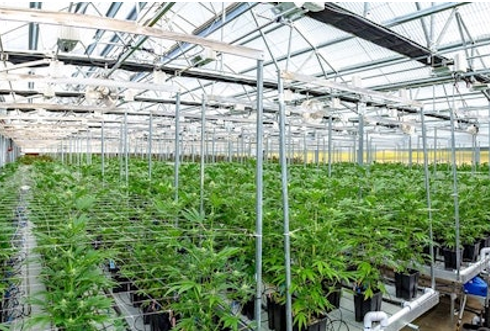
Hydroponic cannabis cultivation rewards precision above almost every other skill. Without soil to buffer mistakes, every element your plants receive comes directly from what you put in the reservoir, which means choosing an appropriate hydroponic base nutrient program growers can find isn’t just about brand loyalty; it’s about matching your feed to your plant’s stage, strain, water source, and environment with real care. The phrase best hydroponic nutrients cannabis growers can use is misleading when it suggests that one product fits every water source, system, and plant stage.
Begin with the Water Source: Additional Considerations
A nutrient plan starts with the water. Tap water may contain alkalinity and dissolved minerals, while filtered water may contain very little. Recording the starting pH and conductivity provides context for every later reading. When the source changes seasonally or between locations, the same label rate may produce a different final solution. Consistency is easier when the grower understands what is already present before adding a base formula.
Choose a Complete Base Program
Cannabis has distinct nutrient needs across its lifecycle. In vegetative growth, plants demand nitrogen-heavy feeding to build leaves, stems, and root mass. Once flowering begins, the ratio shifts hard toward phosphorus and potassium to fuel bud development and resin production. A good hydroponic nutrients intended for cannabis lineup may provide separate grow and bloom formulations so you can adjust ratios cleanly rather than relying on a single one-size feed that inevitably compromises one stage to serve the other.
Understand Concentration Readings
Look for base nutrients built specifically for cannabis. General hydroponic lines work, but cannabis-tuned formulas account for the plant’s unique appetite for calcium, magnesium, and sulfur, the secondary macronutrients that often get short-changed in generic mixes. Cal-Mag supplements are almost mandatory when running RO water, since reverse osmosis strips these elements out and leaves your plants deficient within a week if you don’t supplement from the start. A complete program of weed hydroponic nutrients should be evaluated alongside water quality, pH, concentration, oxygenation, and sanitation.
Maintain Temperature and Oxygen
Roots need oxygen as well as dissolved minerals. A warm, poorly aerated solution can reduce root performance and encourage unwanted biological activity. Pumps, air stones, and circulation equipment should be checked routinely, while electrical connections remain protected from water. Stable reservoir conditions are often more important than adding another supplement.
Manage Root-Zone pH
Micronutrients matter too, even in tiny doses. An appropriate hydroponic base nutrient program growers use includes iron, manganese, zinc, boron, copper, and molybdenum in bioavailable forms. Chelated micros stay soluble across a wider pH range, which is exactly what you need in a reservoir that shifts as plants drink and transpire throughout the day. Skimping on micros creates hidden deficiencies that show up as reduced yield without dramatic visual symptoms.
Mix Components Carefully
Beyond base nutrients, boosters extend the picture significantly. Bloom enhancers rich in phosphorus and potassium, such as PK 13/14 style formulations, accelerate flower development during weeks 3-5 of bloom. Amino acid and kelp-based supplements support enzymatic activity and stress recovery after training. Silicon strengthens cell walls and improves resistance to pests and heat. Just don’t stack every additive at once; more isn’t better in hydro, and nutrient lockout may punish an over-enthusiastic feed schedule fast, sometimes within a single reservoir cycle.
Introduce Supplements Slowly
Boosters, enzymes, microbial products, and flowering additives may have a place in some systems, but each addition creates another variable. Beginners should first learn how plants respond to a complete base program. Introducing one optional product at a time, with clear records, makes it possible to identify whether the change helped, made no difference, or created a problem.
Maintain Temperature and Oxygen: Additional Considerations
pH and EC management are inseparable from your hydroponic nutrients intended for cannabis cultivation. Cannabis in hydro prefers a pH of 5.5-6.2. EC ranges from about 1.2 in early veg to 2.0-2.4 in peak flower, depending on strain and cultivar tolerance. Cheap meters lie; invest in quality pH and EC pens, calibrate weekly with fresh solutions, and log every reservoir change so you can spot trends before they become deficiencies or toxicities in your plants.
Keep the System Clean
Finally, factor in your system. DWC, RDWC, ebb-and-flow, drip, and NFT setups all have different tolerances for nutrient concentration and different flush frequencies. What works in a 5-gallon DWC bucket won’t dose the same in a recirculating rockwool system with continuous fertigation. Start with a proven cannabis-specific baseline, dial in your ratios strain by strain, and let clean data guide your adjustments. Precision feeding is what separates good hydro harvests from great ones.
Build a Recordkeeping Routine
A useful log can include the date, plant stage, water source, reservoir volume, nutrient amounts, pH, conductivity, temperature, root appearance, and visible plant condition. Records reveal trends that a single measurement cannot. They also make supplier or professional advice more useful because the grower can describe what changed rather than offering only a photograph of a symptom.
Use a Written Checklist
A short written checklist keeps the decision process consistent. It can include legal verification, product stage, expected size, source information, transport timing, arrival photographs, environmental preparation, and the seller’s reporting policy. Written answers are easier to compare than memory, especially when several suppliers or products are being considered. The same checklist can be reused during receiving so that important details are not missed when the plant arrives.
Review the Plan After Arrival
The purchase should be reviewed after the first transition period. Buyers can compare the listing with the plant received, note how communication and fulfillment were handled, and record any adjustment problems. This review creates useful evidence for a future order and helps separate supplier-related concerns from conditions that developed later in the new environment. A simple record is especially valuable when several varieties or delivery dates are involved.
Final Thoughts
A dependable hydroponic nutrient routine is complete, measurable, and simple enough to reproduce. Water quality, pH, concentration, oxygen, temperature, sanitation, plant stage, and records should be considered together. The most expensive or complicated program is not automatically the best one. Conservative adjustments and clear observation create a stronger foundation than repeated corrective products.
