

Table of Contents
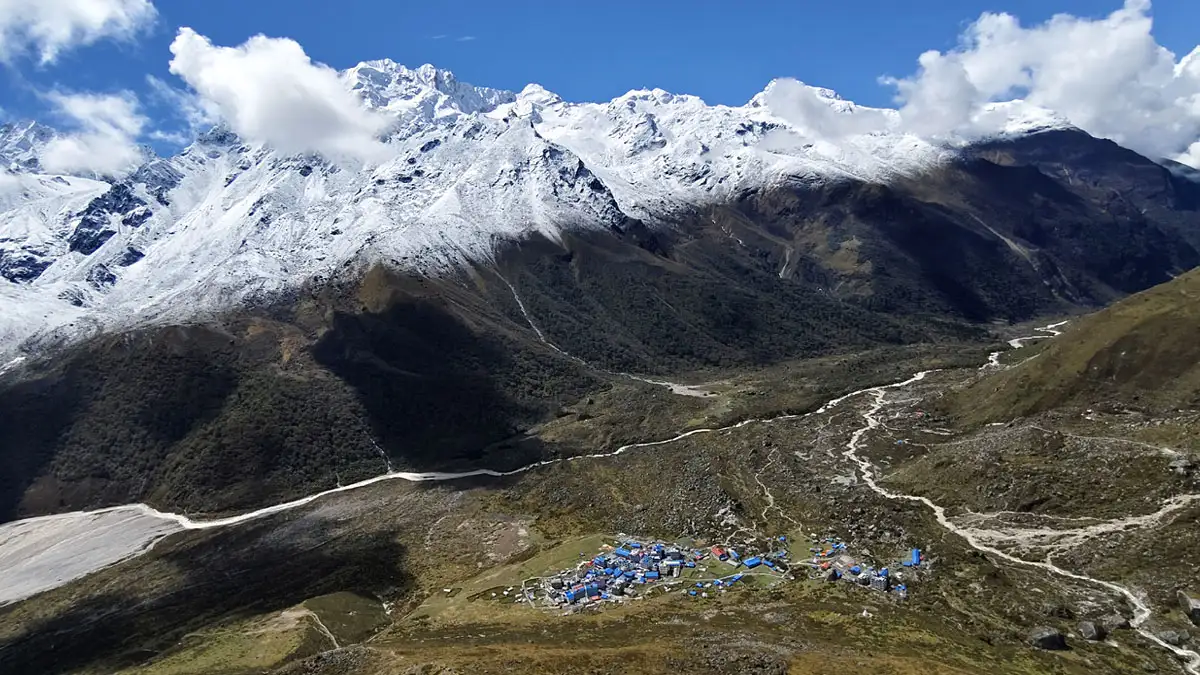
The Langtang Valley Trek during post-monsoon is a few Himalayan treks compared to others because the travellers appreciate some of the clearest mountain landscapes imaginable, temperate weather, and trail solitude. From Sep to Nov, this region is the most beautiful place, which gets rid of gloomy cloudy days, all side bordering with fresh sights as well as world-renowned tall trees and great masterpieces in lovely shades created from vigorous Himalayan snow-covered mountains.
The best time to hike at Langtang National Park, traditional mountain villages, and high-altitude scenic viewpoints is this post-monsoon period. This will help the travelers plan a safe, joyful, and everlasting memory trek in Nepal as the best time for the Langtang Valley Trek.
Name: Himalaya view of a clear mountain
The first and foremost advantage of trekking in Langtang Valley after monsoon is the visibility. Monsoons bring dusty and polluted atmospheres down with heavy rainfalls, and snow-clad peaks appear in their whole glory. This will offer you an extraordinary perspective of Langtang Lirung, Ganesh Himal, and other mountains of the Himalayan range.
In addition to super clear skies, this also means that weather has often been perfect for some mighty mountain/nature-based photography (the area is superb at sunrise and sunset!). The season after the post-monsoon remains the ‘gold standard’ for Himalayan views compared to other seasons and hence still remains a great preference for world trekker looking for Nepal trekking routes.
Comfortable Weather Conditions for Trekking
Weather is one of the most critical determinants of whether a Himalayan trek will be successful or not, and autumn provides some of the best trekking conditions that one could hope for through our Himalayas. On a warm day, the temperature in Langtang Valley is nice and pleasantly cozy, but in monsoon season, the evenings become cooler comparatively.
These trails are becoming more and more stable, which also allows the trekkers to walk through forests, villages, and mountain paths more comfortably. Unlike hiking in the winter, when there is not much choice but to go low, lower elevations do not present travelers with intense cold. These constant conditions cater to a trekker from novice to experienced traveler searching for a warm and simple part of trekking in the mountains.
Nature Bathing with Rain-Drenched Scenery
The fresh and bracing rains of monsoon seasons make this place the cutest with extraordinary green scenery that is found in the Langtang Valley. The forests flourish in green, rivers swell, and wild plants are predictably flowering. The bamboo woods and rhododendron zones are in full bloom at this elevation of 3140 m, so you can appreciate the district at one of its most splendid occasions. Having perfect blue skies and youth structures will create a season that enhances the splendor of the Langtang trekking course. To many nature lovers, the post-monsoon period is an opportunity to explore the variety of mountain ecosystems in Nepal.
Tips for Your Safer Hiking Experience
The trails do get muddy and sometimes treacherous due to the risk of landslides during monsoon rains, but in general, trails tend to improve after the rainy season ends. Many issues from wet weather are minimized as the weather stays stable, and so the Langtang Valley Trek becomes a lot easier and more suited to trekking.
Usually in autumn trekkers have facilities provided by teahouses, bridges, and pathways in the mountains. This eliminates any fear of a sudden downpour or the daily nature of rain, enabling trekkers to have cultural experiences and mountain vistas. Now, it does take planning with hotel-quality overnight gear, but in the post-monsoon, it can be the best time for comfort; hiking conditions are higher.
Peaceful Pricing for the Off-Busy Days
The autumn season is also a popular time to trek there, and there will be many other people, but Langtang Valley is also a much less traveled place than Nepal’s top trekking regions of Everest Base Camp or Annapurna Circuit. Post-monsoon, trekkers get to walk around in peace, fewer villages are turbulent, and conversations with people command more.
The calmer season allows an opportunity to appreciate Tamang culture, Buddhist monasteries, and the lifestyle of the people in the Himalayan region. Langtang Valley is one of the best treks in Nepal, with plenty of fantastic scenery and the opportunity to experience a tranquil trekking environment for travelers looking for something more authentic.
Improved Photography and Adventure Opportunities
All this is still not over for the Langtang Trek in the post-monsoon season, as the clear skies, large mountains, and colorful landscapes have provided more than excellent photography opportunities even for any common person who gets to capture all these beautiful things. Further, the golden light over Himalayan peaks makes sunrise and sunset scenes even more impressive during autumn months. During the trekkers’ stay as you explore Kyanjin Gompa and hike to viewpoints, local mountain culture can also be encountered. These opportunities in turn transform the simple trek into more than a physical journey, into a full-blown Himalayan adventure rendered with discovery and inspiration.
Autumn Langtang Trek: A Good Preparation
The Langtang Valley trek is feasible too with the dry post-monsoon condition, but preparations are essential nonetheless. Layering Outfit for the Trek The trekkers should don a pair of fine comfy hiking boots, a solar package, water purification equipment, and a few important medical supplies. Also, you should be mindful of the altitude, as there is a lot of it involved in this trek, and acclimatizing becomes very important.
It can also optimize safety and comfort in the selection of international trekking materials and planning a walking routine during each day. As it is in this pleasant season, the most experienced guides recommend trekking to autumn time when tourists can walk on the route in good weather and are financed by less dense snow without the stigma of trekking for pleasure.
The environmental cost of running a mountain trekking trip and the future
Although the trekking trends of Nepal are still influenced by ecotourism and responsible trekking tourism, now more than ever, Langtang Valley is becoming an accountable sporting excursion area. Thus, in season time, travelling aids conservation, as it is usually out of season when non-resident tourists respect local communities and waste minimization standards whilst eco-friendly norms are observed during Langtang Valley Hike.
Recognizing that responsible trekking will only increase in the years to come, it reinforces that visitor centers must be accessed while keeping the majesty of these mountain ecosystems intact. Trekking trends are changing over time, and future ones will be eco-conscious journeys, smaller groups, and in-depth cultural immersion. The Langtang Go Rewards is for adventurers who want their jungle adventure, environmental enthusiasts, and planetary adventurers.
Conclusion: Why Post-Monsoon Is the Best Time
The Langtang Valley Trek in post-monsoon is simply perfect when it comes to clear sights of the snowy peaks, dry yet pleasant weather, greener hills and landscapes, safe trekking paths, and laced cultural experiences. Trekking in trekking coordinates for the duration of the year when conditions are ideal and life throws undertakings at you.
The dates in August, September, or October are all perfect for a photography view enthusiast, as well as for someone who enjoys mountain bliss & the trekking experience of Nepal! So with the proper care taken in preparation and regards to the environmental factors, it is nothing less than a splendid experience of observing the real Himalayas wilderness, the Nepal post-monsoon Langtang Valley Trek giving you the very best adventure possible.
